Typewriter Ribbon Tins
Pocket-sized masterpieces of early 20th-century commercial advertising art.
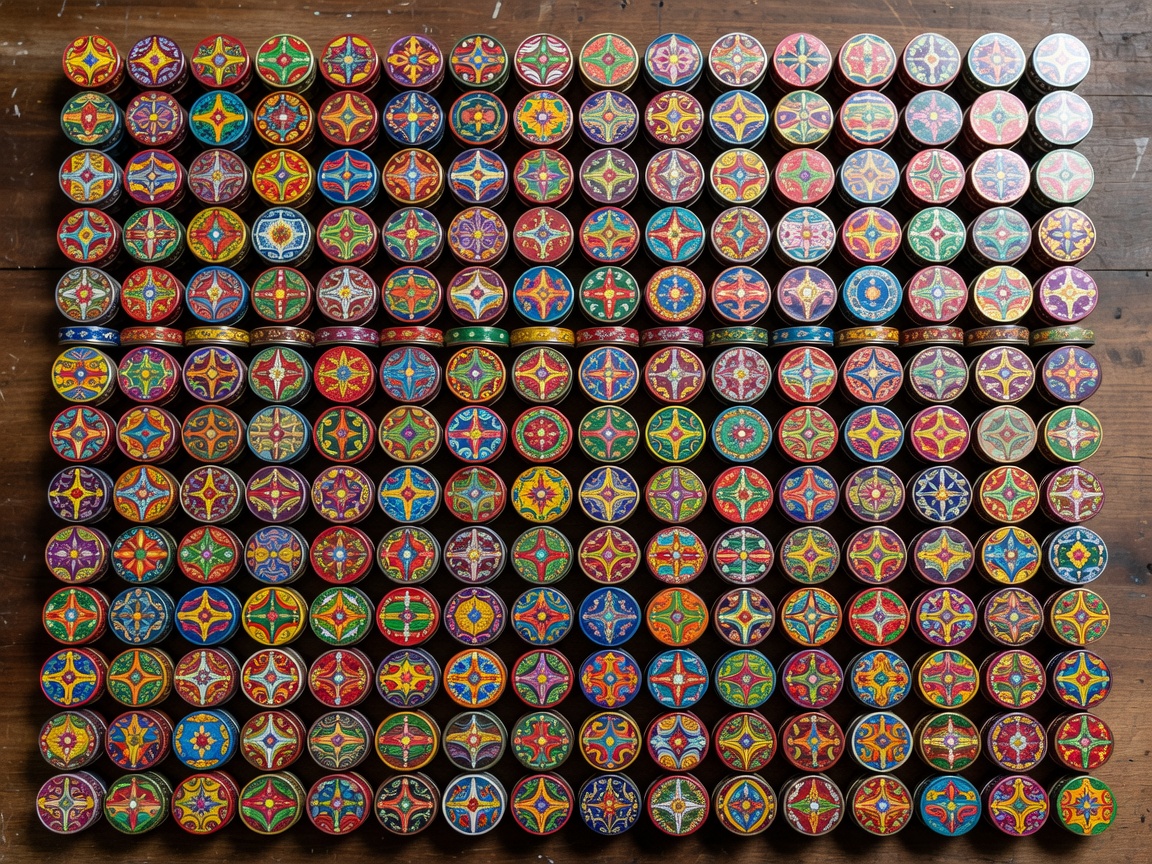
In the vast landscape of antique collecting, some of the most striking objects are those designed for everyday, disposable commercial use. Typewriter ribbon tins—the small, shallow circular boxes used to package inked ribbons from the late 19th century through the mid-20th century—represent a golden era of commercial lithography. For collectors, these tins are highly sought-after artifacts of industrial design, advertising history, and typography.
The Rise of Lithographic Advertising
As the typewriter revolutionized business communications in the late 1800s, dozens of manufacturers vied for dominance in the lucrative office supply market. The ribbon tin became a critical piece of real estate for brand differentiation. Because the tins were small (typically about two and a half inches in diameter), manufacturers had to rely on bold, eye-catching graphics to stand out on a stationer's shelf.
Companies employed chromolithography to produce vibrant, multi-colored images directly onto the tinplate. The designs were often breathtakingly intricate, featuring detailed landscapes, soaring eagles, intricate geometric Art Deco patterns, and elegant, bespoke typography. The visual appeal was designed to convey the quality and longevity of the ribbon inside, transforming a simple consumable product into a miniature work of art.
Notable Brands and Design Themes
The variety of designs is staggering, providing endless avenues for collectors to specialize. Some focus on specific manufacturers, while others hunt for distinct visual themes. Key areas of interest include:
- Mascots and Animals: Many brands used animals to symbolize the traits of their ribbons. The "Panther" brand emphasized dark, sharp impressions; the "Bison" conveyed rugged durability; and various bird motifs (like the famous Carter's Ink eagle) were incredibly popular.
- Art Deco and Modernism: Tins from the 1920s and 1930s often feature striking, minimalist geometric designs, reflective of the Art Deco movement. These tins are highly prized by collectors of early modern graphic design.
- Regional and Patriotic Themes: During times of war or national expansion, tins frequently featured patriotic colors, military imagery, or iconic national monuments. Local stationers also occasionally commissioned custom runs of tins featuring regional landmarks.
- Early and Rare Manufacturers: Tins from the pioneering days of the typewriter (1880s-1900s), such as early Underwood, Remington, or Smith Premier tins, hold significant historical value.
Condition and Grading Criteria
Because they were utilitarian objects meant to be discarded once the ribbon was used, finding tins in immaculate condition is a challenge. Collectors evaluate tins based on several strict criteria:
- Litho Condition: The most critical factor is the state of the lithography on the lid. Scratches, fading from sunlight, and rust spots (foxing) significantly detract from the appeal. A tin with bright, unfaded colors is highly prized.
- Dents and Structural Integrity: As thin metal objects, many tins suffered dents or crushing in desk drawers. The friction fit lid should ideally be present, unwarped, and easily removable.
- Presence of Contents: While the primary value lies in the tin itself, discovering a tin that still contains its original, foil-wrapped ribbon (or even the original paper inserts and instructions) adds an exciting layer of historical completeness, albeit not dramatically altering the financial value.
The Collecting Community
The hobby of collecting ribbon tins frequently overlaps with the broader typewriter collecting community (sometimes known as the "Typosphere"). However, their relatively low cost of entry, combined with their small size, makes them appealing to general advertising and graphic design enthusiasts as well.
Displaying these tins is part of the joy; collectors often mount them in shallow shadow boxes or arrange them in dedicated drawer cabinets where their brilliant, varied colors can be appreciated en masse. They remain a testament to a time when even the most mundane office supplies were crafted with a profound sense of aesthetic pride.