Radioactive Fiestaware & Uranium Glass
The vibrant tableware that glows in the dark and ticks on a Geiger counter.
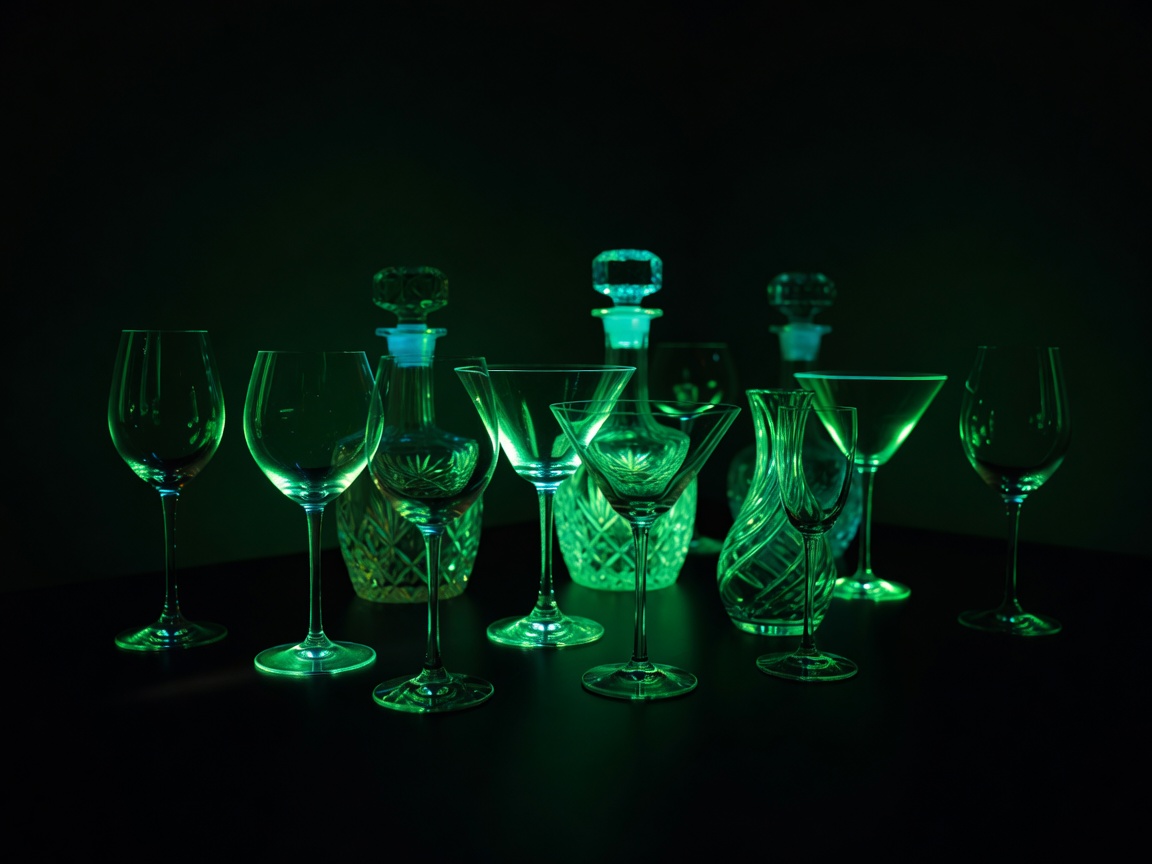
Imagine walking into an antique store with an ultraviolet flashlight and a Geiger counter. For the niche community of radioactive antique collectors, this is standard protocol. The mid-19th to mid-20th centuries saw the integration of uranium oxide into everyday household items, producing stunningly vibrant colors that happen to possess a hidden, atomic secret. Today, these pieces form one of the most visually spectacular—and widely misunderstood—areas of collecting.
The Origins of Uranium Glass
The practice of adding uranium to glass dates back to the 1830s. Glassmakers discovered that by adding trace amounts of uranium oxide to the glass melt, they could produce a brilliant, translucent yellow-green tint. This material, often colloquially known as "Vaseline glass" due to its resemblance to the pale yellow ointment of the era, became immensely popular across Europe and America.
The true magic of uranium glass reveals itself under ultraviolet light. When exposed to a UV source, the uranium ions within the glass matrix become excited and emit a brilliant, ghostly green fluorescence. During the late 19th and early 20th centuries, before the discovery of atomic fission and the subsequent understanding of radiation hazards, uranium was viewed simply as an exceptional colorant.
The Red-Orange Allure of Fiestaware
While uranium glass glows green, the most famous radioactive ceramics burn a vibrant orange-red. In 1936, the Homer Laughlin China Company introduced the "Fiesta" line of dinnerware. Known for its Art Deco styling and bright, solid colors, Fiestaware was a staple of the American kitchen. The most coveted original color was a striking, vivid "Radioactive Red" (often referred to simply as "Fiesta Red").
To achieve this specific hue, manufacturers used a ceramic glaze containing a significant amount of uranium oxide—sometimes up to 14% by weight. As a result, original red Fiestaware produced before 1943 (when the US government commandeered uranium for the Manhattan Project) registers quite strongly on a standard Geiger counter. Production resumed with depleted uranium in the 1950s before the color was finally retired entirely in 1972.
Identifying and Collecting
For collectors, building a set of radioactive glass or ceramics involves a combination of historical knowledge and practical testing. Identification methods include:
- Ultraviolet Testing: A 395nm or 365nm UV flashlight is the collector's primary tool. True uranium glass will glow an unmistakable, brilliant neon green. It is important to note that other elements like manganese can also cause glass to glow, but usually in a much weaker, yellowish-green hue.
- Geiger Counters: For Fiestaware and other ceramic glazes, a Geiger-Müller counter is necessary. The glaze emits measurable alpha and beta particles, and sometimes gamma radiation, distinguishing it from non-radioactive modern reproductions.
- Manufacturer Marks: Identifying the maker's mark on the base of ceramics or researching the pattern of pressed glass can verify the era of production, ruling out modern glowing fakes or reproduction pieces.
Safety and Preservation
The inevitable question surrounding this hobby is one of safety. Is it dangerous to own radioactive plates and glowing goblets? The consensus among health physicists is that these items pose minimal risk if handled and stored correctly.
The primary radiation emitted is alpha and beta, which cannot easily penetrate the skin or a glass display cabinet. The main hazard lies in ingestion or inhalation. Consequently, collectors are advised never to eat acidic foods (like tomatoes or citrus) off vintage red Fiestaware, as the acid can leach the uranium glaze. Similarly, chipped or broken pieces should be handled with care to avoid inhaling radioactive dust. Most collectors choose to display their pieces in enclosed, well-ventilated glass cabinets, often rigged with built-in UV lighting to showcase the collection's spectacular glow safely.
Market Trends
The market for uranium glass and radioactive ceramics has seen a massive resurgence in recent years, largely driven by viral videos showcasing the dramatic UV glow effect. Common pieces of Depression-era uranium glass can be acquired reasonably, but rare art glass from makers like Steuben or Fenton commands significant premiums.
Similarly, intact, original 1930s Fiesta Red pitchers, carafes, and serving platters remain highly desirable. The hobby uniquely bridges the gap between antique appreciation and scientific curiosity, offering collectors a tangible connection to the early, optimistic days of the atomic age.